Are there good books for kids about trains and railroads? Yes, and here are five. Four are well-known stories and histories about trains. The fifth is a time-travel adventure set on a real railroad in the Colorado mountains.
Each book has a short card, a closer look underneath and a quick chooser at the bottom.
What these books have in common
All five are about people and trains. Some are true, some are made up, and one mixes real history with a made-up story. Loop Around, Book 7 of TRACE in Colorado, goes to the real Georgetown Loop, a railroad that crosses over itself. You can read the real history in Why does the Georgetown Loop loop?.
The books
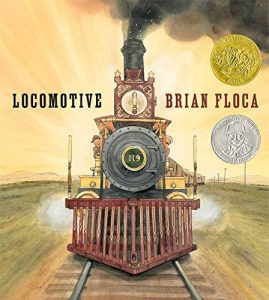
1. Locomotive
📖 Picture-book history · ✍️ Brian Floca · Atheneum Books for Young Readers
A big, beautifully drawn trip across America by train in 1869, when the railroad was brand new.
👍 Good for kids who love steam engines and want to see exactly how a train works.
Brian Floca’s Locomotive is a picture book, but it has a lot of detail, so older kids who love machines enjoy it too. It follows a journey by train across the country soon after the first railroad linked the east and west coasts.
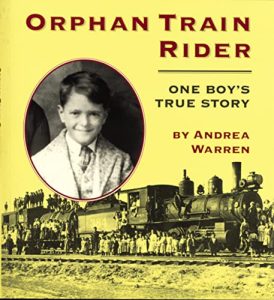
2. Orphan Train Rider: One Boy’s True Story
📖 True story (nonfiction) · ✍️ Andrea Warren · Houghton Mifflin
Between 1854 and 1930, about 250,000 homeless children rode orphan trains across America to find new families. This is one boy’s real story.
👍 Good for kids who want true history about how trains changed children’s lives.
More about Orphan Train Rider: One Boy’s True Story
The author’s own page says that many of the children were sons and daughters of immigrants who were too poor or sick to care for them, while others were truly orphans. The trains were an experiment to get children off the streets and into homes. Some of the story is hard, so it is a good book to read together.
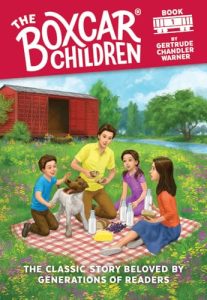
3. The Boxcar Children
📖 Classic mystery adventure · ✍️ Gertrude Chandler Warner · Albert Whitman
Four children begin an adventure by making a home in an old boxcar. Their goal is to stay together.
👍 Good for kids who like cozy survival stories about making a home out of almost nothing.
This is the first book in the long Boxcar Children series. A bookshop description sums up the idea: the Aldens begin their adventure by making a home in a boxcar, and their goal is to stay together.
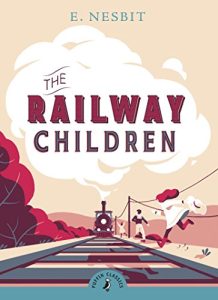
4. The Railway Children
📖 Classic family story · ✍️ E. Nesbit · Puffin Classics
A family story about children who find adventure beside a railway line.
👍 Good for kids who enjoy old-fashioned stories with brave children and plenty of trains.
More about Loop Around (TRACE in Colorado, Book 7)
Loop Around is Book 7 of The Riddle America Cannot Explain: TRACE in Colorado, a time-travel series for ages 9 to 12. Every book has a What Was Real? page that separates the made-up story from the real history. Book 7 is coming soon. Until then, you can read the real history behind the Loop: {{The Devil’s Gate High Bridge|/devils-gate-high-bridge-georgetown-loop/}} and {{Silver Plume|/silver-plume-colorado-mining-town/}}.
Which one should you pick?
Want a beautifully drawn trip on a steam train in 1869? Try Locomotive.
Want true history about children who rode trains? Try Orphan Train Rider.
Want a cozy adventure about children making a home? Try The Boxcar Children.
Your kid loved Little House on the Prairie and wants another book just like it: a family far from town, a cabin or a sod house, hard winters, wolves at night and a girl who is braver than anyone expects. Here are six books that keep that feeling. Each one has a short card, a closer look underneath, and a quick chooser at the bottom.
Some of these are the old classics that grown-ups remember. Some are newer books that tell the frontier story from a side Little House left out. And one sends two boys from today back to a gold rush town in 1860.
What Little House fans usually love
Everyday life, in detail: how to build a house, store food, sew a dress or get through a blizzard.
A family that sticks together: parents, sisters, brothers and a loyal dog.
Real danger: fire, sickness, storms and wild animals.
A real place and time: the stories are set where people really lived.
Where (and when) these books go: a quick timeline
1847: an Ojibwe island in Lake Superior. The Birchbark House
1860: Denver, a brand-new gold rush town. Tomorrow We’ll Go Home
1860s: a farm in Wisconsin during the Civil War years. Caddie Woodlawn
About 1870: a log house on the Kansas prairie. Little House on the Prairie
1880: a railroad town in Dakota Territory. Prairie Lotus
Late 1800s: a prairie farm, and a letter from Maine. Sarah, Plain and Tall
The books
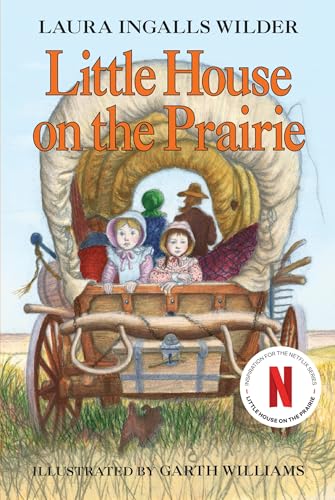
1. Little House on the Prairie
📖 Classic family novel · ✍️ Laura Ingalls Wilder · first published 1935 · Little House series
Pa packs the covered wagon and the Ingalls family leaves the Big Woods for the open prairie, where he builds a one-room log house with his own hands.
👍 Good for kids who want the book that started it all, with wolves, fever, a prairie fire and a family that makes a home out of nothing.
Laura tells about the months her family spent on the prairie in Kansas. They all get sick with malaria, Pa builds a house and a well, and the family lives right next to the Osage people. At the end, word comes that soldiers will be sent to remove settlers from Indian Territory, and Pa decides to move on before they are forced to leave.
The book is based on Laura Ingalls Wilder’s own childhood: her family really did live in Kansas around 1869 and 1870. In real life, the land was part of the Osage reservation, and the settlers had no right to be there. Ma’s fear of the Osage is a big part of the story, so many families like to read this one together and talk about it.
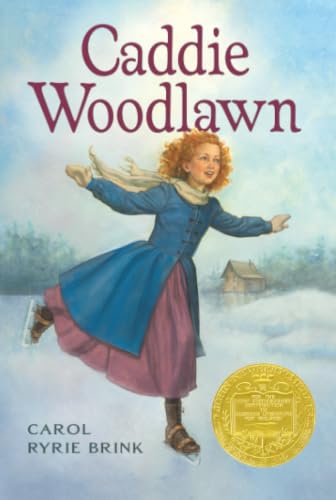
Eleven-year-old Caddie would rather run wild in the woods with her brothers than sit inside and sew. In 1860s Wisconsin, there is plenty of wild to run in.
👍 Good for kids who want a funny, daring girl who climbs, rides and gets into trouble, and who love stories with brothers and a loyal dog.
Caddie was sick and weak when her family came to Wisconsin from Boston, so her parents let her run free with Tom and Warren to get strong. In one year she rides through the forest at night to warn a friend, faces a prairie fire, falls through the ice while skating, and has to put up with her perfect cousin Annabelle from Boston.
The book won the Newbery Medal in 1936. Carol Ryrie Brink based it on the stories of her own grandmother, Caddie Woodhouse, who grew up on a Wisconsin farm. There is a sequel, Magical Melons.
3. Tomorrow We’ll Go Home (TRACE in Colorado, Book 2)
📖 Time-travel mystery · ✍️ T. A. Held · The Riddle America Cannot Explain: TRACE in Colorado · ages 9 to 12
This time Daniel and Alex have a plan, a packing list and a backpack full of snacks. They aim for 1859 and the start of the Colorado gold rush. The stone has a different plan.
👍 Good for kids who love frontier life but want a mystery, two boys from today stuck in a gold rush town, and a What Was Real? page at the end.
The stone sets them down a year late, in 1860. Under the two triangles in the cellar, somebody has written a message in chalk: DON’T DO IT. Down in Denver, a polite man is paying more for gold than anybody else in town, and nobody asks why. Then the stone opens again, and it doesn’t take them home.
Little House fans will find a lot that feels familiar: a young town on the edge of the frontier, food that costs a fortune, and the question of how you eat when you have no money at all. The difference is that Daniel and Alex know how the future turns out, and that might be the most dangerous thing about them.
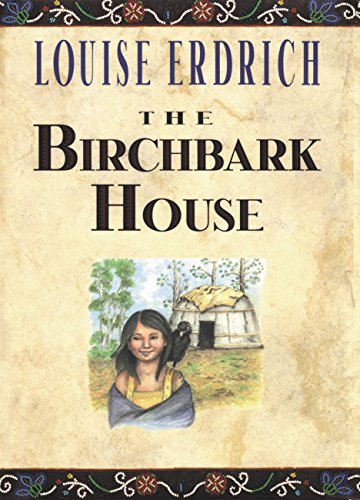
📖 Historical novel · ✍️ Louise Erdrich · 1999 · National Book Award finalist · ages 9 and up
A year in the life of Omakayas, a young Ojibwe girl on an island in Lake Superior, starting in the summer of 1847.
👍 Good for kids who loved the how-it-was-done parts of Little House and want to see the frontier years through the eyes of a Native girl and her family.
The book follows Omakayas’s family through four seasons: building a summer house out of birchbark, harvesting rice in the fall, getting through a terrible winter and making maple syrup in the spring. Omakayas loves the outdoors and her pet, and doesn’t love her chores, just like any kid. The winter brings smallpox and a hard loss, so it is sad in places.
Louise Erdrich weaves Ojibwe words into the story, so readers learn them as they go. It is the first of five Birchbark House books. Publishers Weekly suggests it for ages 9 and up.
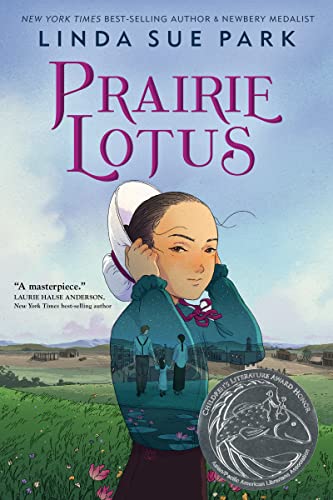
5. Prairie Lotus
📖 Historical novel · ✍️ Linda Sue Park · Clarion, 2020 · 272 pages · ages 10 to 12
It is 1880. Hanna, fourteen, and her father arrive in a small railroad town in Dakota Territory, where they plan to open a dry goods store.
👍 Good for kids who are ready for a slightly older story, love sewing and dresses, and want to see what frontier life was like for a girl the town didn’t welcome.
Hanna’s mother, who was half Chinese and half Korean, has died, and Hanna and her father have been traveling for almost three years. Hanna is a gifted seamstress and dreams of going to school and designing dresses for the shop. But many people in town don’t want her there, and some keep their children home from school because of her.
Linda Sue Park, a Newbery Medal winner, loved the Little House books as a child, and Prairie Lotus is full of the same details: food, building and fabric. In an author’s note she writes about loving those books and also seeing their problems as an adult. The book deals honestly with prejudice. Publishers Weekly suggests it for ages 10 to 12, and Kirkus Reviews for 8 to 12.
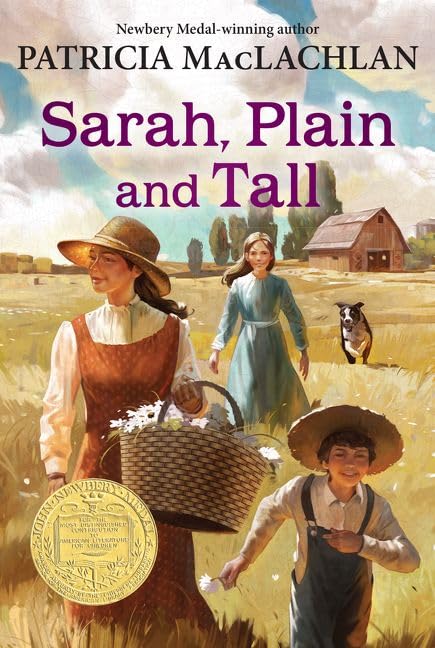
Anna and her little brother Caleb live on a prairie farm with their father, Jacob. Their mother died soon after Caleb was born. When Sarah arrives, she misses the sea, and Caleb worries every day that the farm will not be enough to make her stay. Anna tells the story.
It won the Newbery Medal and the Scott O’Dell Award for Historical Fiction in 1986, and it is the first of five books about the same family.
How to choose
For the real Little House experience: Little House on the Prairie.
For a kid who wants a funny, daring heroine: Caddie Woodlawn.
For a mystery lover who wants time travel, a gold rush town and a What Was Real? page: Tomorrow We’ll Go Home.
For the frontier years from an Ojibwe girl’s side: The Birchbark House.
For an older reader ready for a harder story: Prairie Lotus.
For a short read-aloud: Sarah, Plain and Tall.
Talk about it
If your family moved somewhere with no stores, no doctor and no neighbors nearby, what three things would you pack? What would you miss most from home? And which job would you be good at: building, cooking, finding food or keeping everyone’s spirits up?
Your kid finished every I Survived book in the library and wants more. What now? Here are six books for kids who love a real event, a kid caught right in the middle of it, short chapters, and the true facts at the end. Each one has a short card, a closer look underneath, and a quick chooser at the bottom.
Lauren Tarshis’s I Survived books drop a kid into a real disaster, from the Great Molasses Flood of 1919 to the Great Chicago Fire of 1871. The books below keep that same mix of danger and real history. Some are about disasters, two are about time travel, and one is true history with no made-up story at all.
What I Survived fans usually love
A real event: a storm, an earthquake, a famous speech, a long journey.
A kid at the center: someone their own age who has to be brave.
Fast chapters: books that are easy to finish.
The true story at the end: a section that explains what really happened.
Where (and when) these books go: a quick timeline
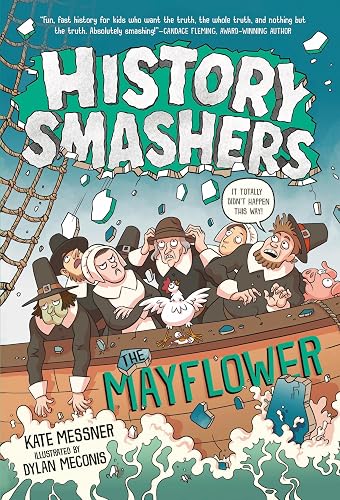
1620: the Mayflower sails to America. History Smashers: The Mayflower
1850: a wagon train on the Oregon Trail. Ranger in Time: Rescue on the Oregon Trail
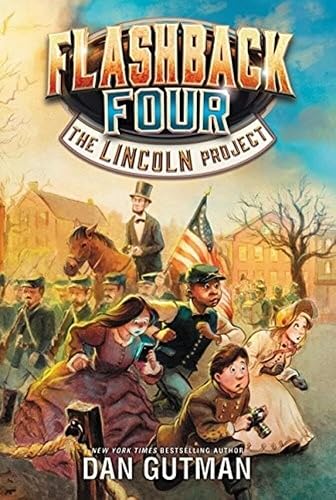
1863: Abraham Lincoln at Gettysburg. Flashback Four: The Lincoln Project
1876: Colorado, the year it became a state. The Wrong Choice
1906: the San Francisco earthquake. The Earth Dragon Awakes
1980: a night of tornadoes in Nebraska. Night of the Twisters
The books
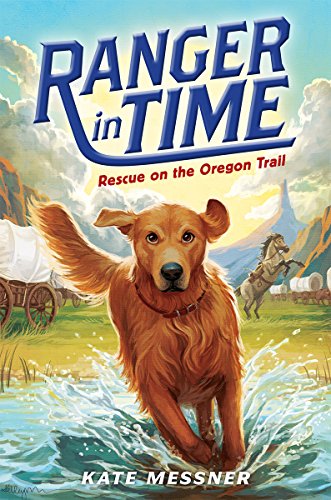
1. Rescue on the Oregon Trail (Ranger in Time #1)
📖 Chapter book · ✍️ Kate Messner, pictures by Kelley McMorris · Scholastic · 144 pages · ages 7 to 10
Ranger is a golden retriever trained for search and rescue. He digs up an old first-aid kit and lands in 1850, on a wagon train heading west.
👍 Good for kids who love dogs and want the next step after I Survived, with a little time travel mixed in.
Ranger helps a boy named Sam Abbott and his family on the 2,000-mile trip from Independence, Missouri, to the Oregon Territory. He finds Sam’s lost little sister and warns of dangers from rattlesnakes to stampedes. Publishers Weekly suggests it for ages 7 to 10, and an author’s note at the end explains the real history, just like the facts section in an I Survived book. It is the first book in the Ranger in Time series.
2. Night of the Twisters
📖 Disaster novel · ✍️ Ivy Ruckman · first published 1984 · 160 pages in paperback
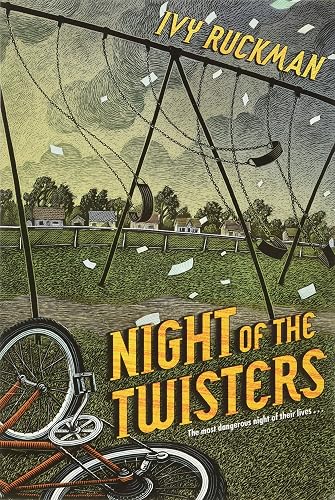
A tornado watch on a June evening in Grand Island, Nebraska, doesn’t worry twelve-year-old Dan Hatch. Then the siren starts to wail.
👍 Good for kids who loved I Survived the Joplin Tornado and want a whole night of wind, sirens and courage.
Dan, his baby brother and his best friend Arthur have only seconds to get to the basement before the twister hits. When they climb out, the house is gone, and Dan has to search for his parents. The story is told by Dan himself, and it is based on a real event: the tornadoes that hit Grand Island, Nebraska, on June 3, 1980.
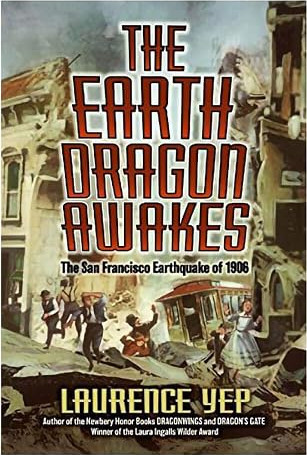
Henry Travis is eight. Chin is nine, the son of the man who works in Henry’s house. The earthquake destroys Henry’s home and the building where Chin lives, and the two boys have to be brave for their families. Short chapters of real facts about the earthquake come between the chapters of the story. Kirkus Reviews lists it for ages 8 to 12.
4. Flashback Four #1: The Lincoln Project
📖 Time-travel adventure · ✍️ Dan Gutman · HarperCollins · 256 pages · ages 8 to 12
Four very different kids are picked by a mysterious billionaire to travel through time and photograph moments in history that nobody ever photographed.
👍 Good for kids who like teams, funny scenes and real photographs in the middle of the story.
In the first book, the four kids go to 1863 to catch Abraham Lincoln giving the Gettysburg Address. They have to ask the right questions, meet the right people, take the picture and not get caught. The back of the book separates fact from fiction, and there are real black-and-white photographs throughout. The series goes on to the Titanic, Pompeii and Alexander Hamilton.
5. History Smashers: The Mayflower
📖 Nonfiction with comics · ✍️ Kate Messner, illustrated by Dylan Meconis · Random House, 2020 · 224 pages · ages 8 to 12
The true story of the Pilgrims, the Wampanoag people and the “first Thanksgiving,” with the myths smashed and the real facts left standing.
👍 Good for kids who always read the facts section first, and for anyone reading in the weeks before Thanksgiving.
This one is not a story. It starts in England, follows the Pilgrims across the ocean in 1620, and tells what really happened between the newcomers and the Wampanoag. It uses real quotes from the time, plus comic panels and pictures. Publishers Weekly, Kirkus Reviews and the publisher all list it for ages 8 to 12. Kate Messner also writes the Ranger in Time books (number 1 above).
6. The Wrong Choice (TRACE in Colorado, Book 1)
📖 Time-travel mystery · ✍️ T. A. Held · The Riddle America Cannot Explain: TRACE in Colorado · ages 9 to 12
Alex and Daniel only wanted to get out of the rain. Then Alex finds a door in the cabin floor, and a red rock in the cellar sets them down in Colorado in 1876.
👍 Good for kids who want two boys stuck in the real past, a mystery to solve, and a What Was Real? page at the end.
In the cellar under the cabin there’s a red rock with two triangles cut into it, and an old journal lying open on a table. The floor begins to hum. The stone sets the boys down on a hill above Morrison in 1876, with no money, nowhere to sleep, and nobody who would ever believe where they came from.
Somewhere along the way, they made the wrong choice. Now the stone won’t open, and the only way home is to find out what they did. Like an I Survived book, every TRACE in Colorado book ends with the real history: a What Was Real? page that shows which parts were true.
For a younger reader who loves animals: Ranger in Time.
For a kid who wants the scariest storm: Night of the Twisters.
For a quick read with facts between the chapters: The Earth Dragon Awakes.
For a kid who likes funny teams and real photos: Flashback Four.
For the kid who only wants what really happened: History Smashers.
For a mystery lover who wants time travel, real Colorado history and a What Was Real? page: The Wrong Choice.
Talk about it
Which real event from history would you most want to see with your own eyes, if you knew you would be safe? What would you take with you? And who would you want next to you?
Looking for time-travel books for kids with a girl hero? Here are six chapter books, novels and one graphic novel where a girl steps into the past: through an elevator, a root cellar, a vintage dress, a museum, a fold in space, and a stone in the cellar of a Colorado cabin. Each one has a short card, a closer look underneath, and a quick chooser at the bottom.
Some are classics a parent might remember, and some are newer. In five of them a girl is the main hero, and in one she is part of a team of three who won’t leave her behind (she makes sure of that).
Where (and when) the girls go: a quick timeline
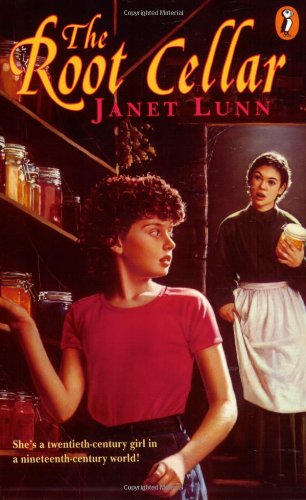
The 1860s: a farm on Lake Ontario and the American Civil War. The Root Cellar
1881: through an elevator door. Time at the Top
1912: on board the Titanic. The Time-Traveling Fashionista
1944 and 1962: a secret Army camp in the Colorado mountains. Behind the Wire
All of history at once: from prehistoric times to the 23rd century. The Time Museum
Across space and time: from galaxy to galaxy. A Wrinkle in Time
The books
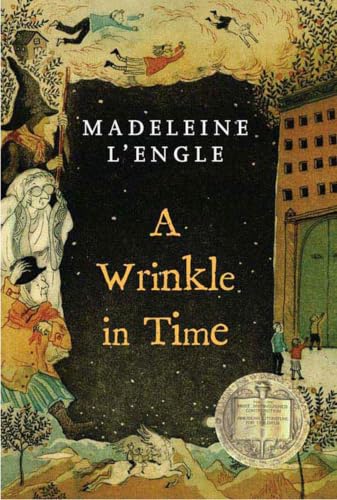
1. A Wrinkle in Time
📖 Science fantasy classic · ✍️ Madeleine L’Engle · first published 1962 · Newbery Medal
Meg Murry’s father, a scientist, has vanished. With her little brother Charles Wallace and her friend Calvin, Meg goes looking for him, across space and time.
👍 Good for kids who love big science ideas and a hero who doesn’t feel like a hero at all.
Meg is stubborn, worried and sure she is not good at anything. Then three very strange neighbors show up, and the children travel from galaxy to galaxy by folding space and time, the “wrinkle” of the title, to rescue Mr. Murry and fight a darkness that has spread across whole worlds.
It came out in 1962, won the Newbery Medal, and is the first of Madeleine L’Engle’s Time Quintet. It has sold more than ten million copies. A great one to read aloud with an older sibling or a parent.
2. The Root Cellar
📖 Time-travel historical novel · ✍️ Janet Lunn · first published 1981
Twelve-year-old Rose is sent to live with cousins she has never met. Then she walks down into the old root cellar and comes out in the 1860s.
👍 Good for kids who like quiet, brave heroes and a door to the past hidden under an old house.
Rose Larkin is an orphan who grew up in hotels with her grandmother. After her grandmother dies, she is sent to her aunt’s noisy family in an old farmhouse on Lake Ontario, in Canada. In the past she makes two friends, Susan and Will. Each time she goes back, they have grown older faster than she has. When Will runs off to join the Union Army in the Civil War, Rose and Susan set out to find him.
A time door in a cellar? That is how the kids in TRACE in Colorado travel too (number 6 below), through a stone in the cellar of an old cabin.
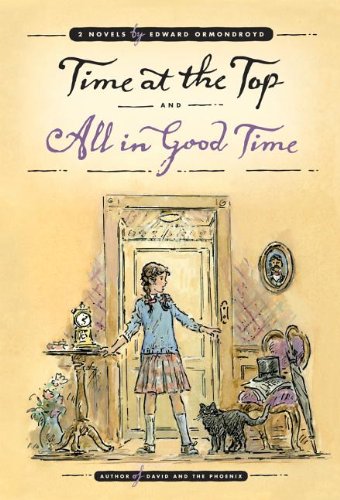
3. Time at the Top
📖 Time-travel fantasy · ✍️ Edward Ormondroyd · first published 1963 · now printed together with its sequel, All in Good Time
Susan Shaw pushes the button for the 7th floor in her apartment building’s elevator. The doors open in 1881.
👍 Good for kids who like gentle, magical stories and old-fashioned adventures.
Instead of 1960, Susan steps out into the world of 1881, a land of damp grass where nobody is in a hurry. She goes back more than once, and then she talks her widowed father into coming with her. Kirkus Reviews praised its “lightness of touch.” Purple House Press keeps it in print in one book with the sequel, All in Good Time, and lists it in its ages 9 to 12 collection.
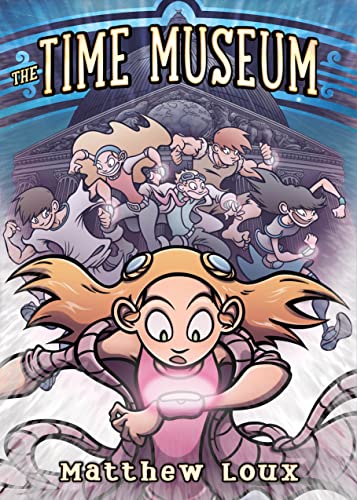
4. The Time Museum
📖 Graphic novel · ✍️ Matthew Loux · First Second, 2017 · 256 pages · ages 10 to 14
Delia Bean, a science-minded loner, finds out her uncle runs a museum that ignores the rules of time and space. Now she is competing for a summer job there.
👍 Good for kids who love graphic novels, teams of misfits and zipping across thousands of years.
The other kids in the competition come from very different times: a girl from 23rd-century Japan, and boys from prehistoric and Roman times. As the trials get harder, a time traveler called the Grey Earl keeps turning up. Publishers Weekly called it a “time-bending series opener” full of adventure and goofiness, and lists it for ages 10 to 14.
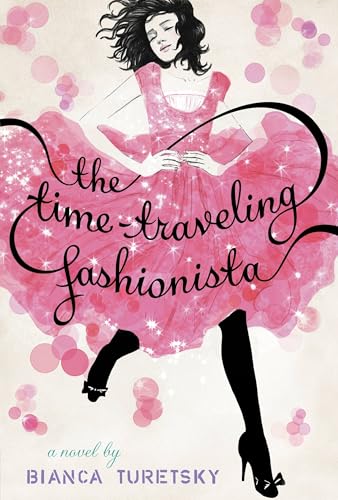
5. The Time-Traveling Fashionista
📖 Time-travel novel with color pictures · ✍️ Bianca Turetsky, illustrated by Sandra Suy · Little, Brown/Poppy, 2011 · 260 pages
Seventh grader Louise tries on a dress at a mysterious vintage sale and wakes up in 1912, as a movie star on board the Titanic.
👍 Good for kids who love clothes, glamour and a ticking clock.
Louise Lambert loves vintage clothes but owns only a few. The “traveling” in the Traveling Fashionista Vintage Sale turns out to be real: she wakes up as Alice Baxter, a silent film star, on the most famous ship in history. She has to change history or get home in time. Publishers Weekly lists it for ages 12 and up, so it fits the older readers in this group best. There are more books in the series.
6. Behind the Wire (TRACE in Colorado, Book 6)
📖 Time-travel mystery · ✍️ T. A. Held · The Riddle America Cannot Explain: TRACE in Colorado · ages 9 to 12
Maya can’t believe the boys went to 1877 without her. This time she’s coming, and nobody is going to talk her out of it.
👍 Good for kids who want a girl who won’t be left behind, a secret behind a fence, and real Colorado history.
In the cellar of the old cabin, Alex pulls a notebook off the shelf, a journal somebody wrote in the 1970s. The stone sets Alex, Daniel and Maya down in October 1962, and the journal tells them something the Army is still hiding. Up in the mountains near Leadville, behind a plain wooden fence, soldiers are guarding a secret. The whole country is listening to the radio and waiting for a war, and somebody in town has started asking questions about three kids from the motel.
Then the stone sends them to the same valley eighteen years earlier, in the middle of winter. The camp is full of ski soldiers, German prisoners, and soldiers the Army doesn’t trust, and something from the future is lost in the snow. “I’ll take that as a no,” Maya says, and keeps going.
For a kid who loves science and space: A Wrinkle in Time.
For a thoughtful reader who likes history: The Root Cellar.
For a younger reader who likes gentle magic: Time at the Top.
For a graphic novel fan: The Time Museum.
For an older reader who loves fashion: The Time-Traveling Fashionista.
For a mystery lover who wants time travel, real Colorado history and a What Was Real? page: Behind the Wire.
Talk about it
If you could visit any year, which one would you pick? What would you wear so nobody noticed you were from the future? And what is the one thing from today you would miss the most?
Looking for books for kids set in the 1980s and 1990s, the years when their parents were kids? Here are six chapter books, novels and one graphic memoir about life before smartphones: a space shuttle countdown, a time machine in a bathtub, a family motel in California, a big earthquake, and a new airport in Denver that just would not open. Each one has a short card, a closer look underneath, and a quick chooser at the bottom.
One starts just before the 1980s, in 1979, because it fits too well to leave out. Two are time-travel stories, and one is a true story told in comics.
From 1979 to 1995 in six books: a quick timeline
1978 to 1979: New York City. When You Reach Me
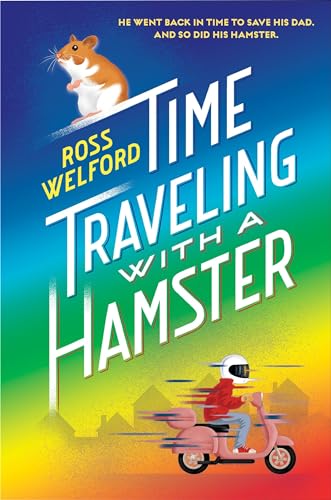
1984: northeast England, by time machine. Time Traveling with a Hamster
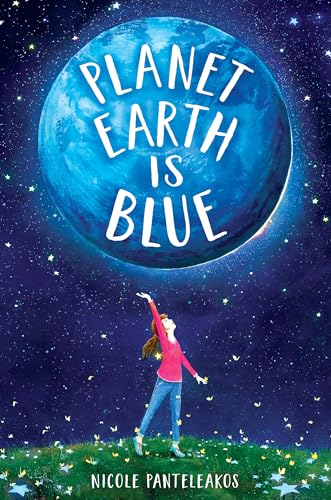
January 1986: the countdown to the space shuttle Challenger launch. Planet Earth Is Blue
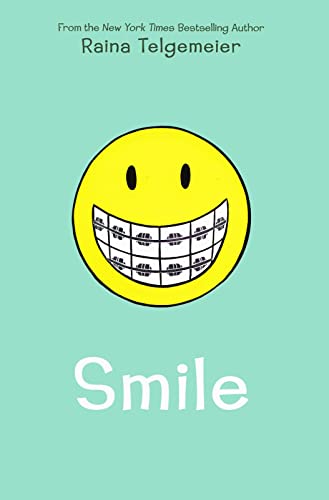
Late 1980s: San Francisco, and the 1989 earthquake. Smile
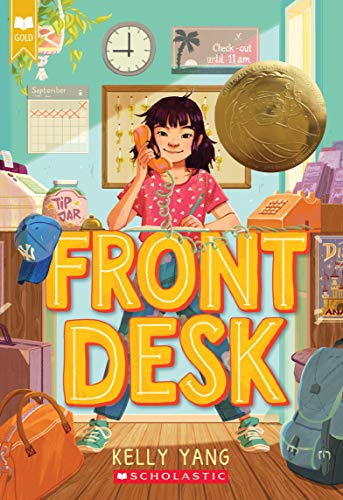
1993: a motel in California. Front Desk
1993 to 1995: Colorado, and Denver’s new airport. Opening Soon
The books
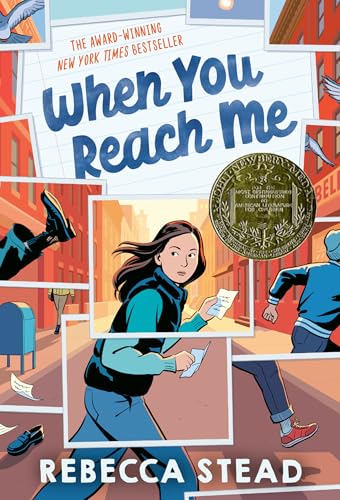
1. When You Reach Me
📖 Mystery with a time-travel twist · ✍️ Rebecca Stead · Wendy Lamb Books, 2009 · Newbery Medal · ages 8 to 12
New York City, 1979. Sixth grader Miranda starts finding secret notes, and whoever writes them seems to know things before they happen.
👍 Good for kids who love puzzles, a twist they will want to talk about, and a story that feels real.
Miranda lives on the Upper West Side of Manhattan. After a fight with her best friend, she finds a strange note in her library book, unsigned and addressed only to “M.” The notes tell her she must write a letter, a true story, and that she can’t tell anyone. Her favorite book is A Wrinkle in Time, and that turns out to matter. It won the Newbery Medal in 2010. Brightly (Penguin Random House) lists it for ages 8 to 12.
If your reader likes messages that seem to come from the future, the chalk notes signed D.W. in Opening Soon (number 6 below) are for them.
Al Chaudhury lives in the northeast of England, and his best friend is his grandfather. His father built a time machine out of an old laptop, a box of electronics and a zinc tub, and hid it in a fallout shelter. Al has to travel back to 1984, to his father’s own childhood, to stop an accident. Every try goes a little wrong. Brightly lists the paperback for ages 8 to 12, and Kirkus Reviews says 10 to 14.
Nova is autistic and does not speak, and she loves astronomy. She has moved through many foster homes, and at every new school people underestimate her. Kirkus Reviews called it “Stellar” and lists it for ages 8 to 12. A note for parents: the real Challenger launch on January 28, 1986 ended in tragedy, so this book can bring big feelings. It is a good one to read together.
4. Smile
📖 Graphic memoir (a true story in comics) · ✍️ Raina Telgemeier · Scholastic/Graphix, 2010 · 224 pages, full color · ages 8 to 12
Sixth grader Raina trips and falls one night after Girl Scouts and hurts her two front teeth. Then come years of braces, headgear and dental drama.
👍 Good for kids who love graphic novels and true stories about middle school.
This is Raina Telgemeier’s own story, drawn by her. Along with the teeth, there are crushes, friends who turn out to be not so friendly, and a big earthquake: her family’s experience of the San Francisco earthquake of 1989. It won the Eisner Award for Best Publication for a Teen Audience in 2011. The author’s site lists it for ages 8 to 12, and Publishers Weekly says 9 to 13.
5. Front Desk
📖 Novel · ✍️ Kelly Yang · Scholastic, 2018 · ages 8 to 12
1993. Ten-year-old Mia Tang’s parents become managers of a California motel with a pool, and Disneyland just down the road. Then the owner bans her from the pool.
👍 Good for kids who cheer for underdogs and for kids who stand up for what’s fair.
Mia’s family came from China, and the motel owner treats them badly and cheats her parents out of money they earned. Mia is brave, kind and full of ideas, and she does not give up. Kelly Yang based the story on her own childhood. Publishers Weekly lists it for ages 8 to 12. If your reader loves it, there are more Front Desk books, starting with Three Keys.
6. Opening Soon (TRACE in Colorado, Book 3)
📖 Time-travel mystery · ✍️ T. A. Held · The Riddle America Cannot Explain: TRACE in Colorado · ages 9 to 12
August 1993. Somebody has been writing messages on the stone in chalk, signed D.W., and every one of them tells him something nobody could know yet.
👍 Good for kids who want a time-travel mystery with real 1990s Colorado history behind it.
Maya never gave up. This time, Alex and Daniel finally take her along. The stone sets the three of them down in the cellar of the cabin in August 1993, and for the first time somebody lives upstairs, an old man named Walter who has heard stories for most of his life about a group of kids who travel through time.
Some of the chalk messages are about a box of sensors, and some are about Denver’s giant new airport, which is always opening soon and never opens. Then the three of them get split up, in a time when none of them has even been born. So who is looking after whom now?
For a funny time-travel story: Time Traveling with a Hamster.
For a puzzle lover who wants a big twist: When You Reach Me.
For a kid who cares about what’s fair: Front Desk.
For a mystery lover who wants time travel, real Colorado history and a What Was Real? page: Opening Soon.
Read it together
These books are a great excuse to ask a parent or grandparent: what was it like when you were a kid? Did you have a phone? How did you find your way without a map app? Where were you when something big happened in the news?
Looking for books for kids set in the 1870s? Here are six chapter books, novels and one picture-book biography about the years when the American West was still being settled: a city on fire, prairie farms eaten by grasshoppers, a lawman in Indian Territory, a brand-new state called Colorado, and the first dinosaur bones dug out of a Colorado hill. Each one has a short card, a closer look underneath, and a quick chooser at the bottom.
One is a true biography, one is a classic based on the author’s own childhood, and two are time-travel mysteries that end with a page about what was real.
The 1870s in six books: a quick timeline
October 1871: Chicago, Illinois. I Survived the Great Chicago Fire, 1871
1874: a new farm in the Dakota Territory. Grasshopper Summer
1874 to 1876: Plum Creek, near Walnut Grove, Minnesota. On the Banks of Plum Creek
1875: Indian Territory, today Oklahoma. Bad News for Outlaws
1876: Morrison and Denver, the year Colorado became a state. The Wrong Choice
Summer 1877: a dinosaur dig above Morrison, Colorado. Who Drew Us?
The books
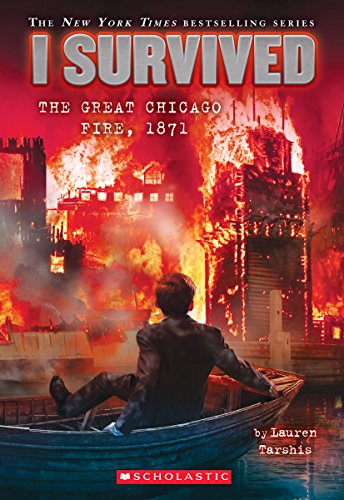
1. I Survived the Great Chicago Fire, 1871
📖 Historical chapter book · ✍️ Lauren Tarshis · illustrated by Scott Dawson · Scholastic, 2015 · 112 pages · ages 7 to 10
Oscar Starling never wanted to come to Chicago. Now the whole city is burning, and he is trapped in the middle of the Great Chicago Fire.
👍 Good for kids who want a fast, scary, true-disaster story they can finish in a weekend.
More about I Survived the Great Chicago Fire, 1871
In October 1871 a fire swept through Chicago and burned a huge part of the city. In this book from the I Survived series, Oscar has to race the flames. Scholastic lists it for ages 7 to 10 (grades 2 to 5). There is also a graphic novel version.
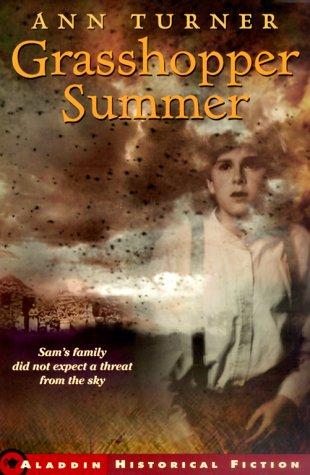
2. Grasshopper Summer
📖 Historical novel · ✍️ Ann Turner · illustrated by Erika Meltzer · Aladdin · 176 pages · ages 8 to 12
1874. Eleven-year-old Sam White’s family leaves Kentucky for a new farm in the Dakota Territory. Then the grasshoppers come.
👍 Good for kids who like pioneer stories, a boy who has to grow up fast, and a family that won’t give up.
Sam’s family moves west from Kentucky to the Dakota Territory to start over. They build a new home on the prairie, and then a cloud of grasshoppers arrives and eats the crops they were counting on. Simon & Schuster lists it for ages 8 to 12 (grades 3 to 7).
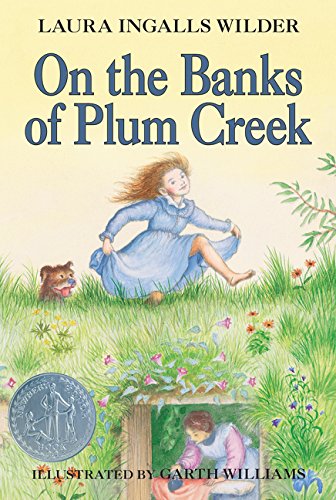
This Little House book follows Laura Ingalls in the 1870s near Walnut Grove, Minnesota. The family lives in a dugout by Plum Creek, Laura goes to school and meets Nellie Oleson, and the locust plague of 1874 destroys the wheat crop the family was waiting for. It was a Newbery Honor Book in 1938. If your reader likes it, Grasshopper Summer tells about the same grasshoppers from a boy’s side.
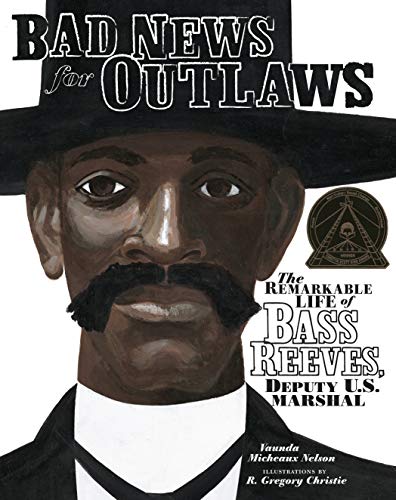
4. Bad News for Outlaws: The Remarkable Life of Bass Reeves, Deputy U.S. Marshal
📖 Picture-book biography · ✍️ Vaunda Micheaux Nelson · illustrated by R. Gregory Christie · Carolrhoda, 2009 · 40 pages · ages 7 to 10
Bass Reeves was born into slavery, escaped, and became a famous lawman of the Old West.
👍 Good for kids who want a true Wild West hero and a short book with big pictures.
In 1875 Bass Reeves was hired as a deputy U.S. marshal in Indian Territory, the land that is now Oklahoma, and he served for more than thirty years. This picture-book biography tells his life story with paintings by R. Gregory Christie. Kirkus lists it for ages 7 to 10. It is a true story, so it is a good pick for a kid who asks, “Did that really happen?”
5. The Wrong Choice (TRACE in Colorado, Book 1)
📖 Time-travel mystery · ✍️ T. A. Held · The Riddle America Cannot Explain: TRACE in Colorado · ages 9 to 12
A red stone in a cellar sets Alex and Daniel down on a hill above Morrison, Colorado, in 1876, with no money and no way home.
👍 Good for kids who want a time-travel mystery with real 1876 history behind it.
Alex and Daniel only wanted to get out of the rain. Then Alex finds a door in the cabin floor, and in the cellar under it there’s a red rock with two triangles cut into it and an old journal lying open on a table. The floor begins to hum.
The stone sets them down above Morrison in 1876, with nowhere to sleep and nobody who would ever believe where they came from. Somewhere along the way, they made the wrong choice. Now the stone won’t open, and the only way home is to find out what they did.
On a field trip to Dinosaur Ridge, Alex and Daniel find an old notebook in a room marked STAFF ONLY. Inside is a pencil drawing of two boys lifting a giant bone, and next to them a girl with a bucket. Zoe from science class follows them all the way down the cellar steps, and before the stone takes them anywhere near 1877, it has something much older to show them.
In the summer of 1877, men are digging the first dinosaur bones out of a hill above Morrison, and two professors back East will pay almost anything to get them. Somebody on that hill is selling secrets, and when a bone disappears, everybody looks at the three new kids from Kansas.
Looking for World War II books for kids that stay close to home? Here are six chapter books and novels about American kids during the war years, 1942 to 1944: a school in California, a classroom in Brooklyn, a secret army camp high in the Colorado mountains, a beach in Normandy, a summer by the ocean in New York, and an apple orchard in Michigan. Each one has a short card, a closer look underneath, and a quick chooser at the bottom.
Most of these stories happen on the home front, far from the fighting, where kids still felt the war every day: fathers and brothers far away, families sent to camps, and even enemy prisoners of war working in American fields. Two of the six are time-travel stories.
World War II in six books: a quick timeline
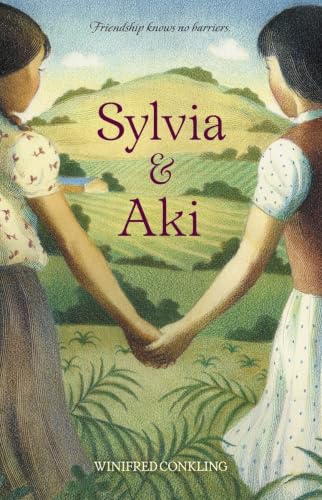
1942 to 1945: Westminster, California, and a camp in Poston, Arizona. Sylvia & Aki
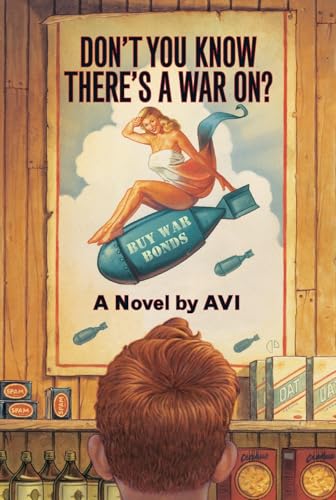
March 1943: Brooklyn, New York. Don’t You Know There’s a War On?
Winter 1944: Camp Hale, in the mountains near Leadville, Colorado. Behind the Wire
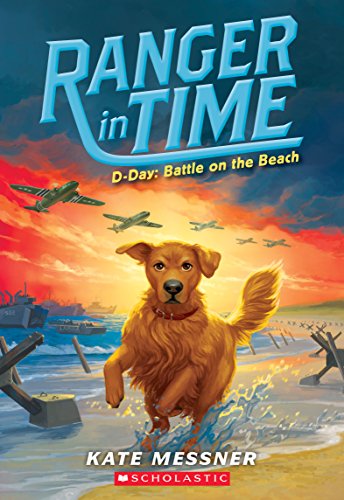
June 6, 1944: Normandy, France, on D-Day. D-Day: Battle on the Beach
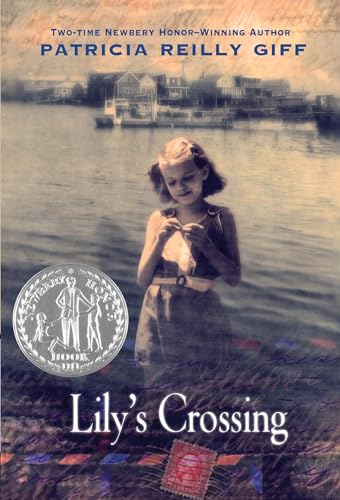
Summer 1944: Rockaway, New York. Lily’s Crossing
Fall 1944: an apple orchard in Michigan. Enemies in the Orchard
Aki’s family is sent away from their home in California to a camp in the Arizona desert. Meanwhile Sylvia is told she can’t go to the same school as the other kids in town.
👍 Good for kids who like stories about friendship and fairness, told by two girls who take turns telling it.
Aki is Japanese American, and during World War II her family is sent from Westminster, California, to a camp in Poston, Arizona. Sylvia is Mexican American. She is told to go to a separate school for Mexican kids. The chapters switch between the two girls, so readers see the same years, 1942 to 1945, from two sides. Kirkus describes the girls as third graders when the story begins.
2. Don’t You Know There’s a War On?
📖 Historical novel · ✍️ Avi · HarperCollins, 2001 · 208 pages · ages 8 to 12
Brooklyn, March 1943. Howie Crispers is in fifth grade, his dad is away in the war, and Howie is sure his school principal is a Nazi spy.
👍 Good for kids who like funny narrators, school stories and a kid who decides to solve things himself.
The whole story takes place in one week. Howie worries about his father and keeps a close eye on the principal. Then he overhears something worse than a spy plan: the school wants to fire Miss Gossim, his favorite teacher. Howie tells the story looking back a few years later. It is by Avi, the author of Crispin: The Cross of Lead, and Publishers Weekly suggests it for ages 8 to 12.
3. Behind the Wire (TRACE in Colorado, Book 6)
📖 Time-travel mystery · ✍️ T. A. Held · The Riddle America Cannot Explain: TRACE in Colorado · ages 9 to 12
A red stone sends Alex, Daniel and Maya to a secret army camp in the Colorado mountains in the winter of 1944. Something from the future is lost in the snow.
👍 Good for kids who want a time-travel mystery with ski soldiers, German prisoners and real history behind it.
Maya can’t believe the boys went to 1877 without her. This time she’s coming. A journal from the cellar sends the three of them first to October 1962, when the whole country is listening to the radio and waiting for a war, and somebody in town starts asking questions about three kids from the motel.
Then the stone sends them to the same valley eighteen years earlier, in the middle of winter. The camp is full of ski soldiers, German prisoners, and soldiers the Army doesn’t trust. Something they brought from the future is lost in the snow. How do you get it back when everybody who touches it thinks it’s a German secret weapon?
Ranger meets two people in the middle of the invasion. Walt is a young African American soldier in the 320th Balloon Battalion, the unit that raised barrage balloons over the beach. Leo is a Jewish boy hiding with a French farmer. Kate Messner lists it for ages 7 to 10 (grades 2 to 5). It is part of the Ranger in Time series, which starts with Rescue on the Oregon Trail.
5. Lily’s Crossing
📖 Historical novel · ✍️ Patricia Reilly Giff · Newbery Honor Book · ages 9 to 14
Summer 1944, at the beach in Rockaway. Lily’s father has gone to the war, and the only kid around is Albert, a refugee from Hungary. Lily tells him a lie that keeps growing.
👍 Good for kids who like friendship stories, summer stories and a heroine who isn’t perfect.
Lily is spending the summer at her family’s house in Rockaway. Her father is away at the war, and she is lonely. Albert has come from Hungary and is spending the summer there too. To impress him, Lily tells a story about swimming out to a ship to find her father, and the lie gets bigger all summer. The American Library Association named it a Newbery Honor Book in 1998. The Cooperative Children’s Book Center lists it for ages 9 to 14.
6. Enemies in the Orchard: A World War 2 Novel in Verse
📖 Novel in verse · ✍️ Dana VanderLugt · Zonderkidz, 2023 · 288 pages · ages 10 to 14
Michigan, 1944. Thirteen-year-old Claire lives on her family’s apple orchard. Karl is a teenage German prisoner of war, sent there to help with the harvest.
👍 Good for kids who like short chapters, poems that tell a story, and both sides of a hard question.
During World War II, some German prisoners of war held in the United States were sent to work on American farms. Claire DeBoer is a Dutch American girl, and Karl Hartmann is one of those prisoners. The book is told in poems, and the voices take turns: one chapter is Claire, the next is Karl. Kirkus lists it for ages 10 to 14. If your reader likes it, Behind the Wire also has German prisoners working in Colorado in 1944.
How to choose
For a younger reader (7 to 10) who loves dogs: D-Day: Battle on the Beach.
For a kid who likes funny school stories: Don’t You Know There’s a War On?
For a reader who cares about fairness: Sylvia & Aki.
For a mystery lover who wants time travel and a What Was Real? page: Behind the Wire.
For a summer read about friendship: Lily’s Crossing.
For an older reader (10 to 14) who likes poems: Enemies in the Orchard.
Looking for books for kids set in the 1920s? Here are five chapter books and novels that take young readers to the years between 1919 and 1927: a flood of molasses in Boston, a famous World Series, the fight for women’s right to vote, a 1922 mystery in Denver, and New York in 1927. Each one has a short card, a closer look underneath, and a quick chooser at the bottom.
Two of the five are time-travel stories, where a kid from today lands in the past. The other three are set in the 1920s from the first page.
The 1920s in five books: a quick timeline
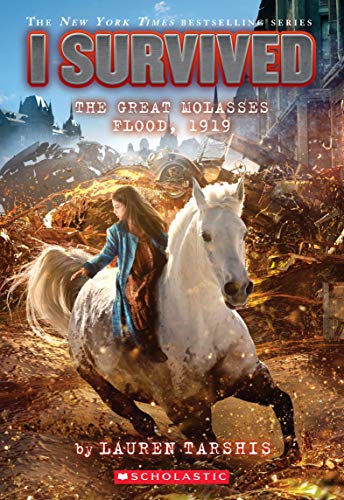
January 1919: Boston, the Great Molasses Flood. I Survived the Great Molasses Flood, 1919
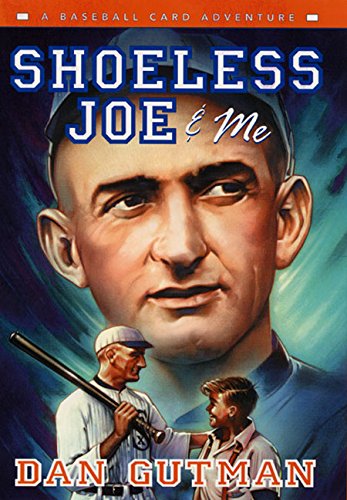
1919: the World Series and the Black Sox scandal. Shoeless Joe & Me
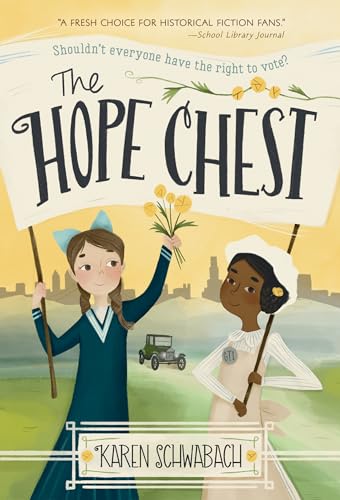
1920: the fight to ratify the 19th Amendment, in Nashville, Tennessee. The Hope Chest
December 1922: Morrison and Denver, Colorado. Where the Money Went
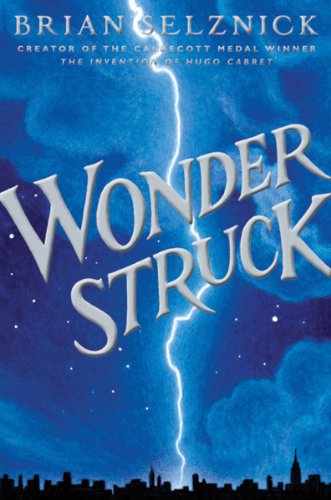
October 1927: Hoboken and New York City. Wonderstruck
The books
1. I Survived the Great Molasses Flood, 1919 (I Survived #19)
📖 Chapter book · ✍️ Lauren Tarshis · Scholastic, 2019 · 144 pages · ages 7 to 10
Carmen Grasso is twelve and lives in Boston’s North End, next to a giant tank of molasses that never stops leaking. Then, one January day in 1919, the tank breaks.
👍 Good for kids who love the I Survived series and want a real disaster story that is fast, short and hard to put down.
Carmen is a twelve-year-old Italian immigrant. She and her best friend Tony sneak up to the molasses tank for a sweet treat, but Carmen keeps wondering why the tank is always leaking and what the molasses is really for. Scholastic lists it for grades 2 to 5 (ages 7 to 10). Like every I Survived book, it is built around a real event, and the Great Molasses Flood really did pour through the streets of Boston in January 1919.
2. Shoeless Joe & Me (Baseball Card Adventures)
📖 Sports time-travel novel · ✍️ Dan Gutman · HarperCollins · ages 9 to 12
Joe “Stosh” Stoshack can travel through time by holding an old baseball card. This time he goes back to 1919, to stop the most famous cheating scandal in baseball.
👍 Good for kids who love sports, and anyone who already read Honus & Me and wants the next trip.
Stosh is thirteen. In 1919 he overhears gamblers planning to fix the World Series, and he tries to keep the great hitter Shoeless Joe Jackson out of it. Kirkus notes that Jackson wanted no part of the fix but was still banned as one of the “eight men out.” Can a kid from today change what happened? Kirkus suggests it for ages 9 to 12. It is part of Dan Gutman’s Baseball Card Adventures, the same series as Honus & Me.
3. The Hope Chest
📖 Historical novel · ✍️ Karen Schwabach · Random House, 2008 · ages 8 to 12
It’s 1920, and eleven-year-old Violet runs away from home to find her big sister Chloe. The trail leads to New York, and then to Tennessee.
👍 Good for kids who like brave, stubborn heroes and want a road-trip story with a big real-life fight at the end.
Violet follows her sister’s trail to New York and then to Nashville, where Chloe is working for the ratification of the 19th Amendment, the change to the Constitution that gave women the right to vote. Along the way Violet finds a friend, Myrtle, and a cause, and the two girls join the suffragists who are trying to win over the lawmakers. The publisher lists it for ages 8 to 12 (grades 3 to 7).
4. Where the Money Went (TRACE in Colorado, Book 4)
📖 Time-travel mystery · ✍️ T. A. Held · The Riddle America Cannot Explain: TRACE in Colorado · ages 9 to 12
The cabin door is standing wide open, and nothing is missing. A red stone drops Alex, Daniel and Maya in Colorado in December 1922, and someone is watching.
👍 Good for kids who want a time-travel mystery with clues to follow and real 1922 history behind it.
The stone sets Alex, Daniel and Maya down in the cellar of the cabin in December 1922. Aurora lives there alone now. She sends travelers into the past and keeps the stone’s secrets from everyone, even the people she cares about. She has never met the three of them, and they know more about her than she does.
So Maya tells the whole town of Morrison that they are Aurora’s cousins, and that their mother just had twins. That’s the easy part. Somebody has been watching the cabin, and he isn’t after Aurora’s money. Then, on one busy day in Denver, the journal that takes them home disappears. Who broke in, and what did he want?
Where the Money Went is Book 4 of The Riddle America Cannot Explain: TRACE in Colorado by T. A. Held. It can be read on its own, and like every book in the series it ends with a What Was Real? page. Curious about the real 1922? Read what happened in the Denver Mint robbery of 1922.
5. Wonderstruck
📖 Novel in words and pictures · ✍️ Brian Selznick · Scholastic, 2011 · about 640 pages · ages 9 and up
Two runaways, fifty years apart. Rose leaves Hoboken for New York in 1927. Ben leaves Minnesota for New York in 1977. Their stories are about to meet.
👍 Good for kids who love pictures as much as words, and readers who like a big, beautiful book with a puzzle in it.
Rose is a deaf girl who runs away to New York to find an actress she admires. Her 1927 story is told only in drawings. Ben’s 1977 story is told in words: after he loses his hearing, he runs away from a hospital to find the father he never met. Both trails lead to New York City and the American Museum of Natural History. It is by Brian Selznick, the author of The Invention of Hugo Cabret, and Kirkus lists it for ages 9 and up. It looks long, but hundreds of its pages are pictures.
How to choose
For a younger reader (7 to 10) who likes real disasters: I Survived the Great Molasses Flood, 1919.
For a sports fan: Shoeless Joe & Me.
For a reader who likes a brave girl on a big journey: The Hope Chest.
For a mystery lover who wants time travel and a What Was Real? page: Where the Money Went.
For a kid who loves pictures and museums: Wonderstruck.
Is your child hooked on Magic Tree House and asking for “another book where kids go back in time”? Here are five time-travel books for kids, from first chapter books to longer adventures. Each one has a short card, a closer look underneath, and a quick chooser at the bottom.
Every book on this list sends its heroes to a real moment in the past: a dinosaur valley, King Arthur’s court, the Oregon Trail, a 1909 World Series, and Colorado in 1876.
What these books have in common
In each book, an ordinary kid (or an ordinary dog) finds a way into the past: a tree house full of books, a mysterious blue book, a buried first-aid kit, an old baseball card, or a red stone in a cellar. Once they are there, the only way home is to solve a problem in that time and place. Along the way, readers pick up real history without noticing it.
The books
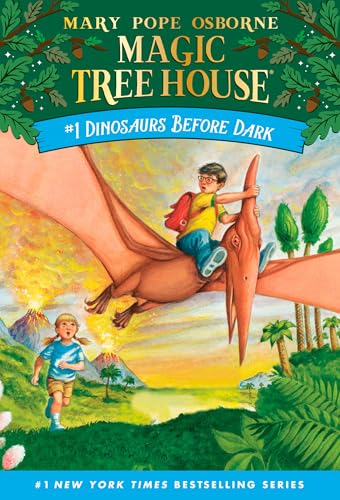
1. Dinosaurs Before Dark (Magic Tree House #1)
📖 Early chapter book · ✍️ Mary Pope Osborne · Random House, 1992
Jack and Annie find a tree house full of books in the woods near their town. One book about dinosaurs, one wish, and the adventure begins.
👍 Good for kids who are just starting chapter books and want short, fast adventures they can finish in one sitting.
Magic Tree House is the series most families start with. Brother and sister Jack and Annie live in the made-up town of Frog Creek, Pennsylvania, and the magic tree house takes them to the place in whatever book they point at. In Books 1 to 28, the librarian Morgan le Fay sends them on their trips; from Book 29 on, the Merlin Missions are longer and some take place in fantasy worlds like Camelot. The series began in 1992 and is still going, so a child who loves it has a long shelf ahead.
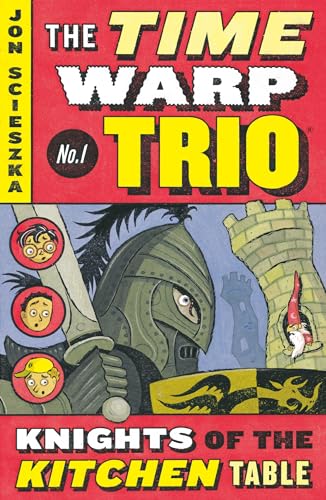
2. Knights of the Kitchen Table (The Time Warp Trio #1)
📖 Funny chapter book · ✍️ Jon Scieszka, pictures by Lane Smith · Viking, 1991
Joe gets a strange blue birthday present called The Book. One wrong word, and Joe, Sam and Fred land in King Arthur’s Camelot, with knights and dragons.
👍 Good for kids who like jokes on every page and want time travel that is silly as well as exciting.
The Book comes from Joe’s uncle, a magician called Joe the Magnificent. It sends the three friends from Brooklyn to different times and places, and the only way back is to find The Book again wherever they have landed. The series ran from 1991 to 2006 and was later made into an animated TV show. It suits kids who already read Magic Tree House on their own and are ready for more humor.
3. Rescue on the Oregon Trail (Ranger in Time #1)
📖 Chapter book · ✍️ Kate Messner, pictures by Kelley McMorris · Scholastic, 144 pages
Ranger is a golden retriever trained for search and rescue. He digs up an old first-aid kit and lands in 1850, on a wagon train heading west.
👍 Good for kids who love dogs and want an exciting pioneer story with real history in it.
Publishers Weekly describes how Ranger helps a boy named Sam Abbott and his family on the 2,000-mile trip from Independence, Missouri, to the Oregon Territory. Ranger finds Sam’s lost little sister and warns of dangers from rattlesnakes to stampedes. Publishers Weekly suggests it for ages 7 to 10, and an author’s note at the end explains the real history behind the story. It is the first book in the Ranger in Time series.
4. Honus & Me (Baseball Card Adventures #1)
📖 Sports time-travel novel · ✍️ Dan Gutman · 1997
Joe Stoshack knows everything about baseball, except how to play it well. Then he finds the most valuable baseball card in the world in a neighbor’s attic.
👍 Good for kids who love sports and would rather meet a real baseball legend than a dragon.
The card is a 1909 T-206 Honus Wagner. Holding it, Joe meets Honus Wagner himself and travels back with him to the World Series, where the great player helps Joe believe in himself. Publishers Weekly called it a “joyfully entertaining yarn.” It ends with a factual epilogue and old photographs of the real Honus Wagner, and it is the first of Dan Gutman’s Baseball Card Adventures.
5. The Wrong Choice (TRACE in Colorado, Book 1)
📖 Time-travel adventure · ✍️ T. A. Held · The Riddle America Cannot Explain: TRACE in Colorado · ages 9 to 12
Alex and Daniel run from a storm into a cabin that isn’t on any map. A red stone in its cellar drops them in Colorado in 1876, and now it won’t take them home.
👍 Good for kids who loved Magic Tree House and want a longer time-travel mystery with real Colorado history.
There are no cabins in the park. Daniel has seen the map. But under the cabin floor there is a cellar with a red rock cut with two triangles, an old journal lying open on a table, and a floor that begins to hum. The stone sets the boys down on a hill above Morrison, Colorado, in 1876, with no money, nowhere to sleep, and nobody who would believe where they came from. Somewhere along the way they made the wrong choice, and the only way home is to find out what they did.
The Wrong Choice is Book 1 of The Riddle America Cannot Explain: TRACE in Colorado by T. A. Held. Every book in the series can be read on its own, and every one ends with a What Was Real? page that separates the true history from the made-up story.
Pick a year: more time-travel books in the TRACE in Colorado series
Each TRACE in Colorado book visits a different moment in Colorado history. If your child already has a favorite period, start there:
1876:The Wrong Choice (Book 1), Morrison and Denver the year Colorado became a state.
Are there good books for kids about 1962, the Cuban Missile Crisis and the Cold War? There are, and here are four. Three are well-known stories about growing up in 1962. The fourth is a time-travel adventure set in Colorado.
Every book here is for kids who like history served as a story. Each has a short card, a closer look underneath, and a quick chooser at the bottom.
What these books have in common
All four are set in or around October 1962, when the United States and the Soviet Union came close to war over missiles in Cuba. Three follow kids at home, at school and with their families. Behind the Wire goes to the mountains of Colorado and to Camp Hale, a real army camp, and its What Was Real? page explains the history.
Publishers Weekly calls Countdown a “documentary novel.” It is set in Maryland during the Cuban Missile Crisis. Franny is a middle child, and her father, like the author’s own father, is a pilot stationed at Andrews Air Force Base. The book is long, about 400 pages, so it suits strong readers who like to take their time. It is the first book in a series called the Sixties Trilogy.
2. This Means War!
📖 Realistic fiction · ✍️ Ellen Wittlinger · Simon & Schuster, 211 pages
Fifth-grader Juliet wonders why her old friend Lowell does not want to play with her anymore, and a new neighbor named Patsy moves in.
👍 Good for kids who like friendship stories where big news from the world sits in the background of everyday life.
Publishers Weekly describes Juliet as a fifth-grader who cannot understand why Lowell no longer wants to be her friend, so she happily befriends the loud, opinionated Patsy when Patsy moves into her neighborhood. Kirkus Reviews says it is set in the fall of 1962, when Soviet missiles in Cuba made a war with Russia seem close and a whole community was afraid. The book shows how worry about a possible war can be felt by kids at school and at home.
Publishers Weekly calls this a “quietly tense story” set during the Cuban Missile Crisis, drawn from the author’s own childhood memories. Joanna’s father left the family when she was four, and her older brother Sam promised never to leave her. But after high school he joined the navy. At about 190 pages, it is the quickest read of the four.
4. Behind the Wire
📖 Time-travel adventure · ✍️ T. A. Held · TRACE in Colorado, Book 6 · ages 9 to 12
Maya will not be left behind this time. The mountains of 1962 hide an Army secret, and then the same valley in 1944 is full of ski soldiers and German prisoners.
👍 Good for kids who like a history mystery set in the real Colorado mountains, with a What Was Real? page at the end.
Behind the Wire is Book 6 of The Riddle America Cannot Explain: TRACE in Colorado. In 1962, near Leadville, soldiers guard a secret behind a plain wooden fence while the whole country listens to the radio and waits. Then the story goes to the same valley eighteen years earlier, in the middle of winter. Each book can be read on its own, and each one ends with a page that separates real history from the made-up story.
Reading these books with your child
Books about the Cold War can bring up big feelings. Kids may ask whether something like that could happen again. A good way to start is to read a chapter together and then talk about what the characters were afraid of, and what helped them feel safe. You can also compare the story with the real facts: the crisis lasted from October 16 to October 28, 1962, and ended when the Soviet leader agreed to remove the missiles from Cuba.